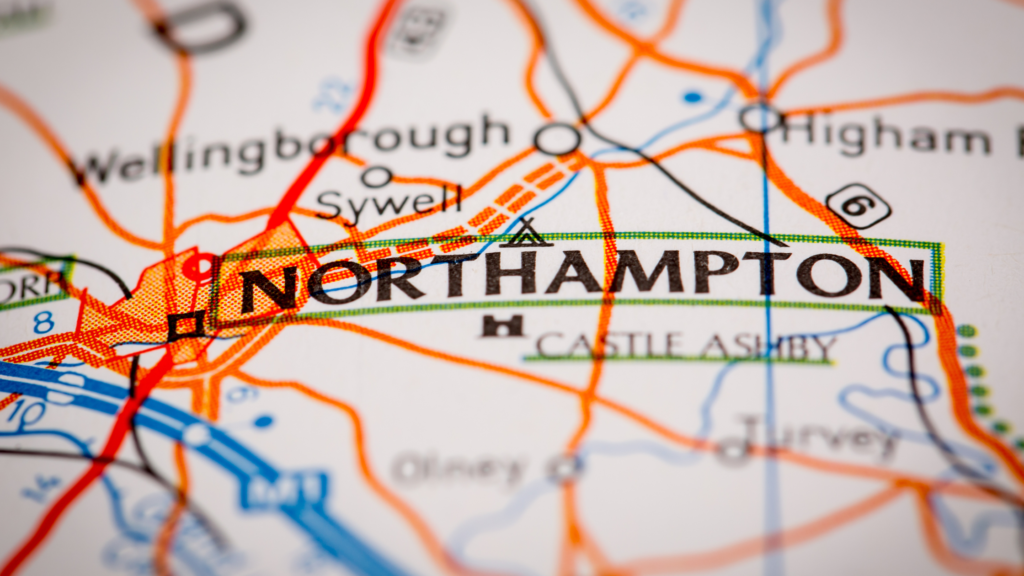
Marketing Northamptonshire businesses can feel like you’re juggling 7 different things at once, just waiting for everything to fall to the floor.
It’s no secret that Northamptonshire is a fantastic place for business growth. Its proximity to London and diverse population means that solopreneurs, sole traders, SMEs, and agencies can all find their place here.
But with opportunity comes fierce competition.
Whether you’re in Northampton, Rushden, Kettering, Wellingborough or anywhere else, your small business’s success lies in your ability to connect with local audiences and convince them that you’re the best possible option.
In this guide, I’ll share which Northampton marketing strategies work.
TL;DR: What Actually Works for Northamptonshire Businesses
- Start with a strategy, not a scattergun. Know your audience, your USP, and which channels deserve your time before you post a single thing.
- Local SEO is your highest-leverage move. Most Northamptonshire searches (“plumber Kettering”, “hairdresser Northampton”, “accountant near me”) have local intent, and a well-optimised Google Business Profile puts you in front of people who are ready to buy right now.
- Content and SEO writing build long-term visibility. Blog posts and website copy that genuinely answer your customers’ questions keep working for you long after you hit publish — unlike an ad, which stops the second you stop paying.
- Social media builds the relationship. It won’t replace SEO, but it’s where Northamptonshire businesses show personality, build trust, and stay top of mind between purchases.
- Reviews and word of mouth still matter more locally than almost anywhere else. People trust their neighbours more than they trust a national brand’s advertising.
- Consistency beats intensity. One strong blog post a month and a Google Business Profile you actually maintain will outperform a burst of activity that fizzles out by March.
Pro tip: If you only do two things this quarter, make them your Google Business Profile and one genuinely useful pillar page. Everything else on this page builds on those two foundations.
Why Generic Marketing Advice Doesn’t Cut It for Northamptonshire Businesses
According to the ONS, there are over 38,000 active businesses in Northamptonshire, and 99% of local businesses are classified as SMEs.
Unfortunately, most of the marketing advice you’ll find online is for national businesses. Fine if you’re promoting an app or scaling nationally, but not exactly ideal for building a local business.
Generic business advice doesn’t cut it for Northamptonshire businesses. Here’s why:
- It’s About Local Search: Someone searching “digital marketing agency” from London isn’t your customer. Someone searching “digital marketing agency Northampton” is.
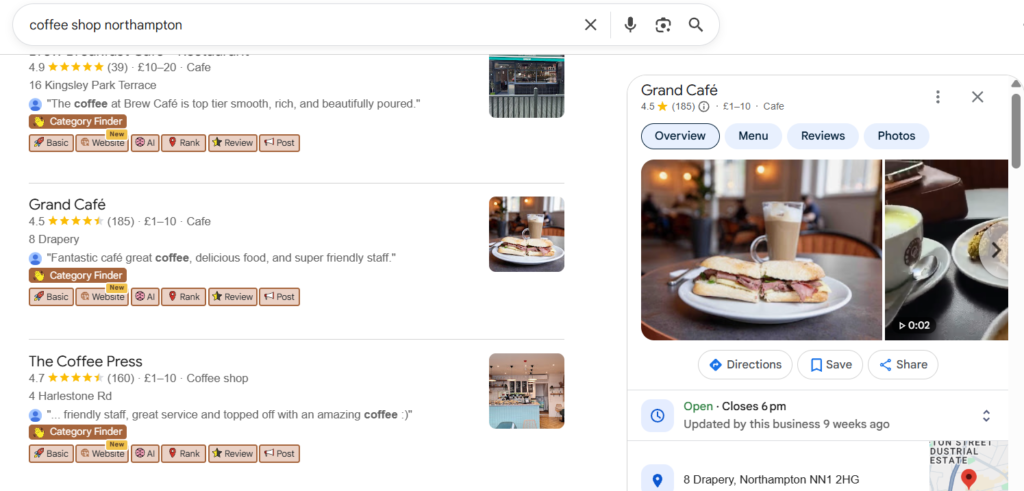
- You’re Dealing With High Competition: You’re also competing against businesses that your customers can actually visit, so your Google Business Profile, your reviews, and your website all get held up against the shop or service two miles down the road.
- Trust Matters: Community trust matters more for local businesses. And it’s the same for reviews and word-of-mouth referrals. People ask in local Facebook groups, mention your company at the school gates, and keep you in mind.
- Smaller Budgets: You probably don’t have the budget of a nationally recognised company, so everything you spend on your strategy needs to drive results.
That’s why I created this guide: to bring together the strategies that genuinely help Northamptonshire businesses grow, rather than generic tactics that assume you’re selling to the whole country with an unlimited budget.
The Northamptonshire Business Landscape (And What It Means for You)
Before getting into tactics for marketing your small business in Northamptonshire, let’s understand the playing field. Northamptonshire sits in a strong position with good motorway links (M1, A14, A43), proximity to London, Birmingham, and the wider South East.
This genuinely diverse business base spans logistics, manufacturing, professional services, and a growing number of independent retail and hospitality businesses.
But the diversity also comes with some drawbacks. Your “local” market might be tiny, but you could also be competing against the entire county or East Midlands.
- How local is “local” for your business? A hairdresser might only realistically draw from a 5-mile radius. A B2B consultant might serve the whole of Northamptonshire, or beyond.
- Are you targeting consumers (B2C) or other businesses (B2B)? Two VERY different audiences that need unique strategies.
- What’s your realistic marketing budget and time commitment? Be honest. A strategy that assumes you have five hours a week to spend on marketing is useless if you actually have forty-five minutes.
Step 1: Figure Out Your Marketing Strategy
As tempting as it might be to jump headfirst into social media or blogging, you should pause to think about what you want to achieve, and the audience you’d like to reach.
A strategy isn’t just about saying “I want to do X, achieve Y, and make Z” – it’s a process that involves thinking about what you can achieve, and how you’ll get there.
Here are the foundations of a marketing strategy:
- Focusing your time and budget on channels your customers use, instead of spreading yourself across everything and doing none of it well.
- Get your USP locked down. A Unique Selling Point tells people why they should choose your business over the one next door.
- Be consistent across your website, social profiles, signage, and everything else. Coherent brands get noticed; confused brands don’t.
- Long-term growth isn’t about following the latest trend; it compounds with time.
7 Northampton Digital Marketing Strategies That Get Results
Small businesses have a range of strategies available, but 7 work best when you’re on a limited budget. These include:

- Content marketing
- SEO, social media
- Email marketing
- Paid advertising
- Networking and partnerships
- Reviews/referrals.
I’ve covered all seven strategies in full detail in this guide:
👉 The Best Marketing Strategies for Small Business Growth
Step 2: Don’t Make Things Hard for Local Customers
Your product or service could be amazing, but if you’re not showing up on Google searches, it won’t matter. Today, over half of all Google searches have local intent, meaning someone’s actively looking for a local product or service.
Let’s say you have a dog walking business. You want to show up in the first three results of Google’s Map Pack to get noticed.
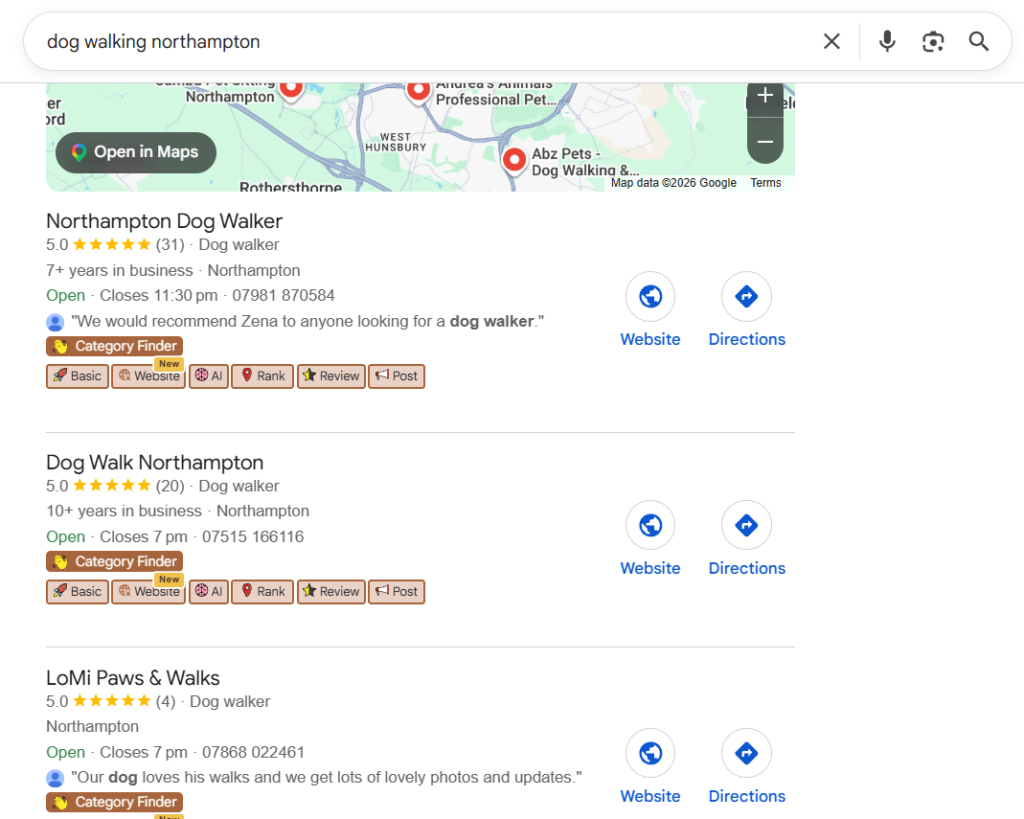
That’s why I always say Local SEO is the most important thing for small, local businesses. It puts you in front of the right people when it matters most.
Google Business Profile
It’s free and the first thing local customers see. A good Google Business Profile clearly explains what you do, includes accurate information, including NAP consistency (name, address, and phone number), and is regularly updated.
Local Keyword Research
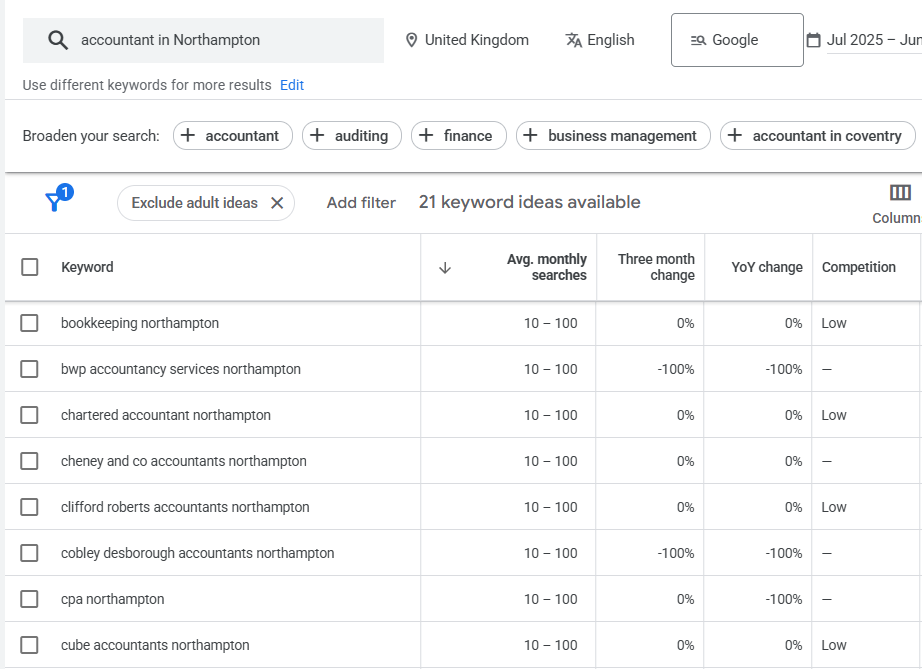
If you’re a small business, chasing broad terms is a quick race to the bottom. For example, “accountants Northamptonshire” is a high competition term.
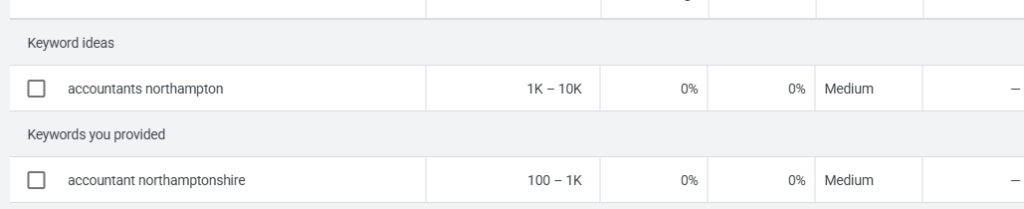
But when you focus on service-focused or location-based terms, you can see the competition gets lower. This is when people can find your website.
Building A Reputation
Getting your business consistently listed (with the same name, address, and phone number every time) across relevant local and niche directories builds trust with both Google and your customers.
Unsure which directories to add? Type small business directories Northamptonshire into Google, and you’ll find a range of options.
You should also focus on building links by getting involved in your community and sponsoring events.
Why Local SEO Matters for Northamptonshire Businesses
In Northamptonshire, most of your customers are searching with a location already baked into their intent, even if they don’t type it explicitly. When someone performs a “near me” search, Google brings up results that match your the person’s location.
So, making sure that your website appears in these results is going to offer results that compound over time.
I’ve written a full beginner’s guide covering exactly how to do all of this, with real screenshots and search examples showing how local SEO plays out in practice:
👉 Local SEO for Small Business: The Beginner’s Guide
Step 3: Create Content That Actually Ranks
So we’ve covered how to think about your goals and make sure people can find your business…now it’s time for the thing that trips up even the most experienced Northamptonshire business owners:
Creating content that ranks and converts.
SEO content writing is one of the most affordable marketing tools, offering ongoing results. But two problems often occur:
- You sit down to create content but don’t have the time (or willpower).
- You can create the content, but you don’t understand SEO content writing.
What is SEO Writing?
SEO writing isn’t about keyword stuffing, as Google has strict guidelines in place. Today, you have to balance optimising your content for the SERPs while also providing genuine value for your readers.
The main principles of SEO writing are:
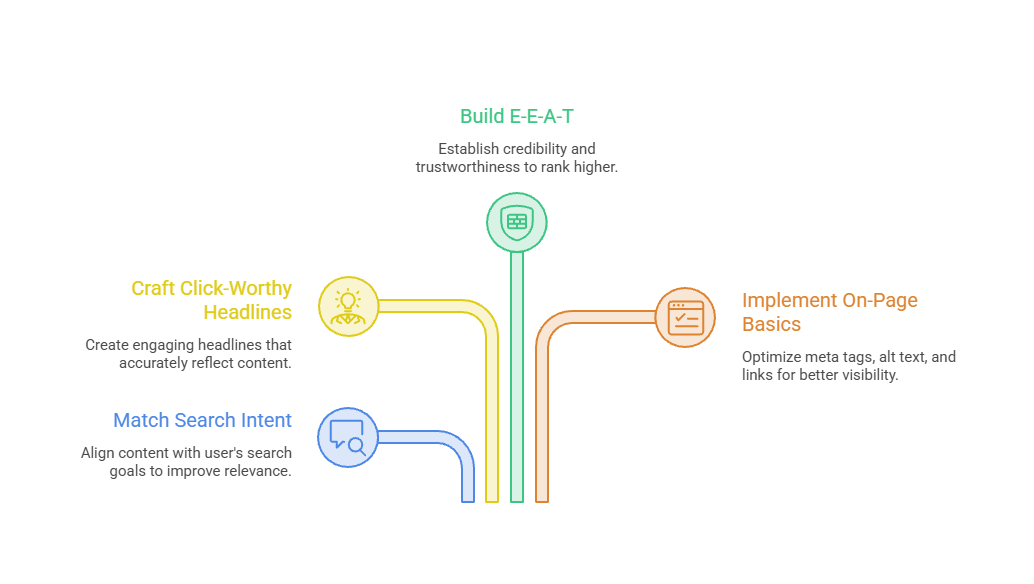
I’ve covered all of these, including a full checklist in this guide:
👉 What is SEO Writing? Top Tips for Creating SEO-Friendly Content
Step 4: Use Social Media to Build the Relationship
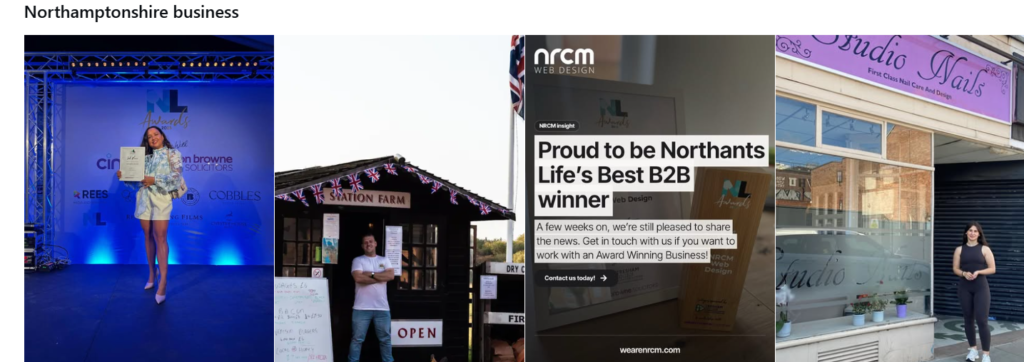
Social media is a great way to build awareness, but I will say this: it’s not what you should focus on most.
Yes, posting on LinkedIn and Instagram can raise your local profile, but SEO and website content are what turn those people into paying customers or clients.
As a local business in Northamptonshire, social media is an opportunity to showcase your company’s personality and make them see that you’re a part of the local community.
It’s also a good way to direct traffic to your website, which is where the conversions usually happen.
Another thing: you don’t need to post on social media every single day. Unless you’re trying to become an Instagram influencer, I recommend posting between two and three times a week.
The Best Social Media Platforms for Northamptonshire Businesses:
- Facebook: You can reach a large audience, and Facebook is popular among older audiences. However, its sheer size and volume can sometimes feel like you’re trying to have a meaningful conversation at a gig.
- Instagram: Ideal for visually driven businesses like hospitality, beauty, retail, trades that can show before-and-afters.
- LinkedIn: The natural home for B2B Northamptonshire businesses, consultants, agencies, professional services (basically anyone looking to connect with decision-makers).
- TikTok: Fast becoming the go-to platform for reaching younger audiences.
For the full guide, including how to choose a platform, build a content strategy step by step, and write posts that actually convert, take a look here:
👉 Social Media Marketing for Small Businesses: The Complete Guide
Building Visibility Through Professional Connections
It’s easy to get caught up in active marketing strategies, but never forget the value of an active network.
Reviews and Referrals
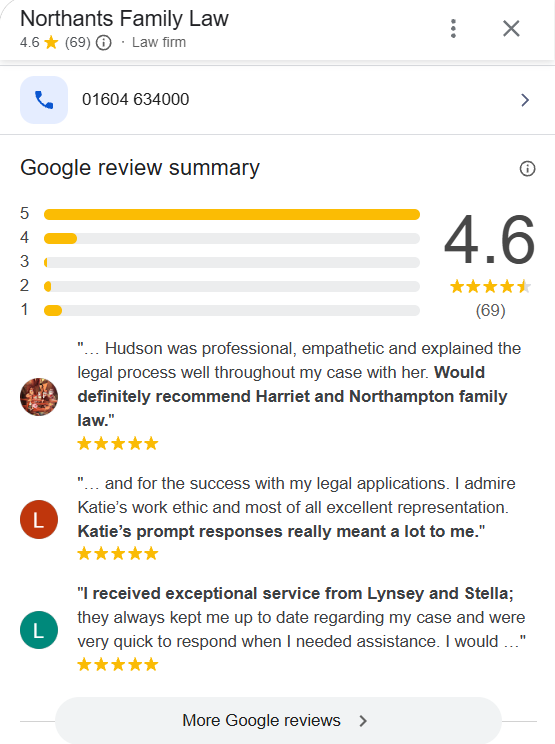
Reviews and referrals are still incredibly powerful tools at your disposal. A massive 93-98% of people read reviews before they choose a product or service (Forbes), so even negative reviews can harm your business.
Think of how many times you’ve asked a friend, family member, or colleague for a review or recommendation, and you’ll understand how valuable they are.
Networking and Partnerships
Speaking as an AuDHD introvert, I know all too well that a three-syllable word like networking can get your heart pumping. But, if you can handle it, Northamptonshire has a proactive and supportive business community.
The Chamber of Commerce is a great place to look for support, while niche brands can travel further afield to connect with potential partners.
What About Paid Advertising and Email Marketing?
Strategy, local SEO, website copywriting, content, and social media are the most valuable strategies for local businesses in Northamptonshire.
But larger companies that want to focus on growth might consider putting some of their budget towards paid advertising and email marketing.
Paid Advertising (PPC & Social Ads)
Google Ads, Meta Ads, and LinkedIn Ads are fast ways to get in front of people, making them useful for launches, promotions, or highly competitive local markets where organic visibility takes time to build.
The trade-off is that results stop the moment you stop paying, so paid ads work best as a short-term boost sitting alongside your long-term organic strategy, not as a replacement for it.
Email Marketing
Email marketing is the marketing channel that offers the highest ROI. But it’s frequently overlooked by small businesses. The biggest issue is building an email list and making sure your audience is active.
But if you can do all of this and send your customers regular updates, it keeps you front of mind.
How to Bring Everything Together
None of these strategies works brilliantly in isolation. The real results come when they work together, each one reinforcing the others:
- Strategy tells you where to focus your limited time and budget, and stops you from chasing every shiny new tactic.
- Local SEO helps you get found by nearby customers who are ready to buy.
- SEO writing and blogging build long-term visibility and answer your customers’ questions before they even ask.
- Social media builds the relationship, adds personality, and keeps you front of mind between purchases.
- Reviews, email, and networking reinforce everything else, turning one-time customers into repeat customers and referrals.
If you’re starting from scratch, here’s a realistic order to tackle things in:
- Month 1: Nail your Google Business Profile and get clear on your basic strategy and target audience.
- Month 2: Publish your first two or three genuinely useful blog posts, optimised properly for SEO.
- Month 3: Choose one social media platform and start posting consistently, repurposing your blog content where you can.
- Ongoing: Keep collecting reviews, keep publishing (even just monthly), and revisit your strategy every quarter to check what’s actually working.
Think of this page as the hub, and each guide linked above as a spoke. Work through them in order, or jump straight to whichever piece you’re currently missing.
Get Support With Your Northamptonshire Marketing Needs Today
If you’ve read this far and you’re still not sure which piece of the puzzle needs your attention first, that’s exactly what a proper audit is for.
My detailed audits focus on identifying where your website currently stands, how you stack up against the competition, and whether your content resonates with your audience.
For just £97, you’ll receive an analysis with five key recommendations and how to implement them.
Or, if you’d like ongoing support, please see my copywriting and messaging consultancy services.
FAQs
What’s the best marketing strategy for a small business in Northamptonshire?
There’s no single “best” strategy, as it depends on your industry, budget, and audience. Most local Northamptonshire businesses see the strongest, most affordable results from combining local SEO with regular, genuinely useful content.
Both won’t offer immediate results, but they build up over time.
How much should I spend on marketing as a small business in Northamptonshire?
There’s no fixed figure, but a common rule of thumb is 5–10% of your annual revenue, with businesses in more competitive local markets sometimes needing to spend closer to the higher end to gain traction.
If your budget is limited, prioritise the free or low-cost inbound strategies, including Google Business Profile, local SEO, and content.
Do I need to be active on every social media platform?
No, and you shouldn’t try to be.
Choose one or two platforms where your ideal customers actually spend time, and commit to posting consistently and delivering genuine value, rather than spreading yourself thin across five accounts and doing them all badly.
How long does it take to see results from local SEO and content marketing?
Both are long-term strategies rather than quick wins. Local SEO can start showing results within a couple of months, but content and organic rankings, more broadly, can take six months or longer to gain real traction.
Consistency is what matters, as the businesses that see results are the ones still publishing and optimising a year later, not the ones who gave up after month two.
Is SEO really worth it for a small, local business, or is that just for big companies?
SEO is arguably more worth it for small local businesses than for large national ones, because local search competition is far more winnable.
You’re not trying to outrank the whole of the UK. You’re trying to outrank the other businesses in your town, which is a realistic goal with consistent effort.
What’s the single most important thing I should fix first?
If you do nothing else, get your Google Business Profile fully set up, accurate, and regularly updated with photos, posts, and responses to reviews. It’s free, it takes an afternoon, and it’s often the single biggest visibility gap I find when auditing local business websites.