
Do I need small business copywriting? You’ve probably asked yourself that loads of times. And the answer will always be a big fat YES. You absolutely need it, because as a small business, words and messaging are your secret weapon.
They humanise your company, connect with your ideal customers, and increase the number of website conversions.
In this guide, I’ll break down everything you need to know about copywriting for your small business.
There’s also a free copywriting checklist that will help you nail your messaging every time you sit down at your laptop.
TL;DR: Small Business Copywriting
Copywriting isn’t about sounding clever — it’s about persuasion and clarity that gets visitors to take action (sales, sign-ups, enquiries). Skip the poetic or overly formal language; if a reader can’t instantly tell “this is for me,” they’ll leave.
Key types: website copy (SEO + trust), creative copy (social/ads/sales pages), email marketing, and product descriptions.
Common copywriting mistakes: being vague, sounding poetic instead of clear, and making it all about you instead of the reader.
How to write good copy:
- Research your audience — social media, forums, and reviews all reveal real pain points and language your customers actually use.
- Position your brand — authentically, without overpromising.
- Structure your page with a clear headline → sub-headline → solution → benefits → proof → CTA → objection-handling (“removing doubt”).
DIY vs. hiring a pro: No wrong answer, but professional copywriters balance SEO with persuasive messaging — something DIY writers often struggle to get right simultaneously. Website copywriting typically runs £300–£1,000+; avoid copywriters charging per word.
Bottom line: Good copy isn’t about impressive words — it’s about making your ideal customer instantly feel understood.
What is Copywriting for Small Business Owners?

At its core, copywriting is a science. It’s the messaging and words that compel website visitors to take action – whether that’s completing a sale, signing up for a service or download, or filling in a lead form.
A lot of people think copywriting is beyond their reach because it requires natural creativity. That couldn’t be further from the truth.
Great copywriting is about one thing: getting inside an audience’s head and compelling them to take action through persuasion and value.
For small business owners, copywriting is the process of establishing who they are, what makes them different, and, most importantly, why people should choose them.
Why Small and Local Businesses Need Copywriting
Think copywriting is only for large brands? Think again. Research shows that websites with high-quality content for local audiences are 70% more likely to get purchases (Filthy Rich Writer).
And Mordor Intelligence estimates that the copywriting market will grow by over 8% in the next five years, indicating that businesses of all sizes are using copy to connect with their audiences.
I’ve been a copywriter and SEO specialist for over 10 years, and I’ve seen clients achieve more traffic, sales, and lead captures by utilising copy.
For example, one client increased their conversion rates by over 60% by personalising their website copy.
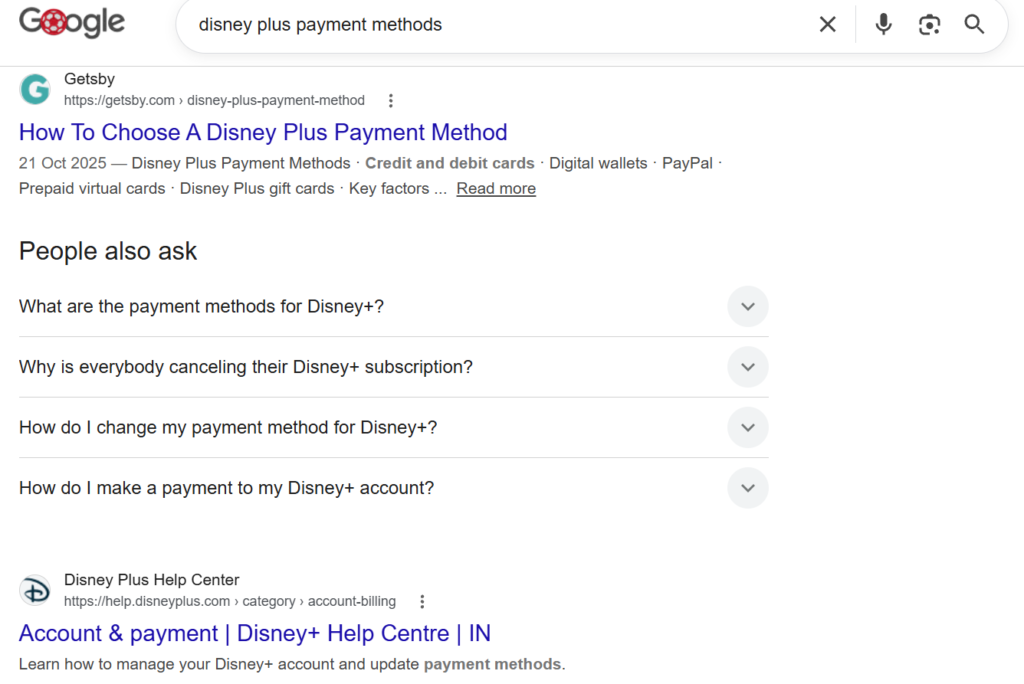
Another outranked Disney Plus, significantly improving its reputation and attracting more website traffic.
The Types of Copywriting for Small Businesses
There are different types of copywriting to be aware of, with each playing a key role in your small business marketing strategy.
Website Copywriting
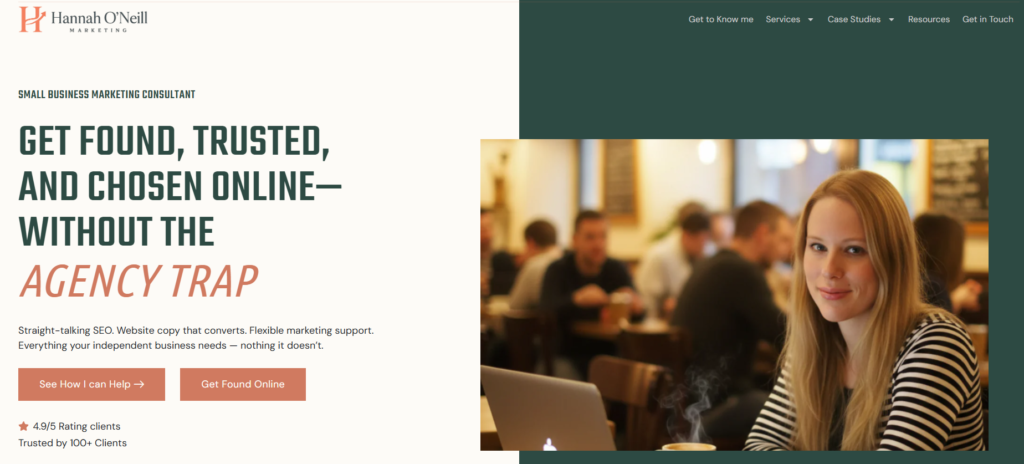
Website copywriting combines SEO with messaging to ensure your website ranks well in search results while also instilling trust in your audience.
It’s also where you can set your business apart and move casual leads into conversions.
Creative Copywriting
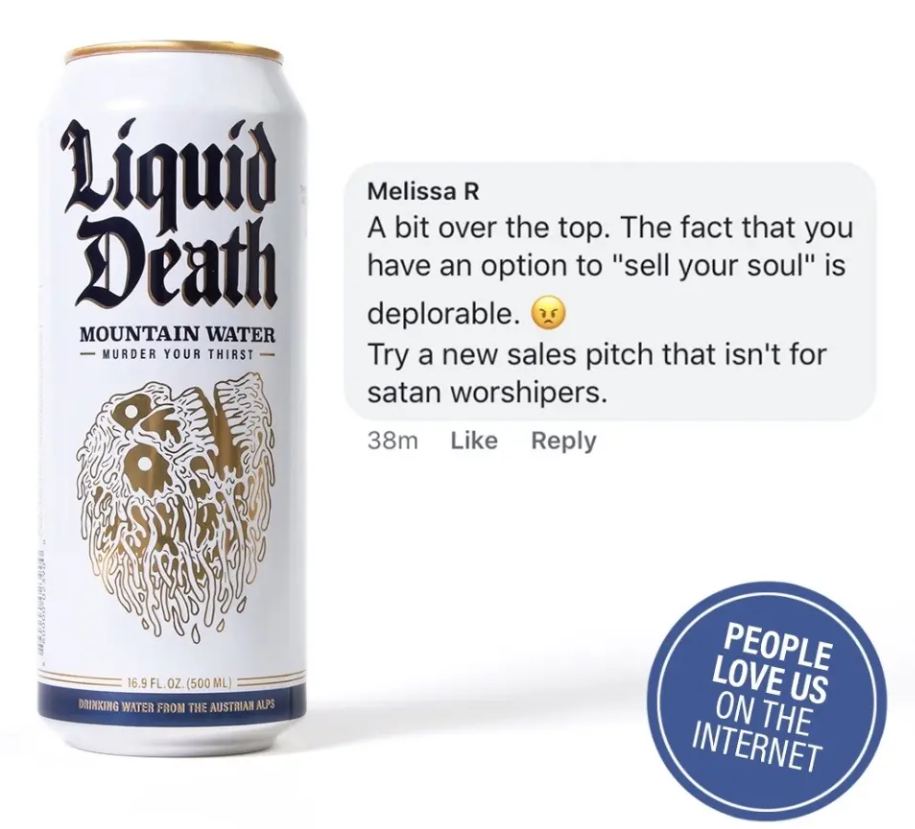
Creative copywriting is less focused on SEO and more on getting your audience to take action. It can be social media posts, advertising copy, or sales pages focused on conversions.
Email Marketing
Email marketing is one of the most effective tools for turning audiences into customers. Because once you’ve built a list, you can move that list into becoming repeat customers. And copywriting is a key part of successful email marketing.
Product Descriptions
If you sell products, you need descriptions that compel people to buy, because in most cases your products are competing with another website.
Every description should be optimised for SEO and include key features that make people want to buy and address any doubts.
Why Great Copywriting Matters for Small Business Websites
Great copywriting matters because it:
- Sets you apart from the competition.
- Establishes why your audience should trust your product/service.
- Moves website visitors from curious to invested.
- Ensures that your business can grow and scale.
I want to clear one thing up here, because it’s something I see all the time: great copywriting isn’t about fancy words or creativity; it’s the ability to balance simplicity with persuasion.
If you’re a small business owner getting started with copywriting, it’s easy to get carried away and think you need to become Don Draper.
But you’re not writing poetry here; you’re creating messaging that makes your ideal customer think “OK… this is for me”.
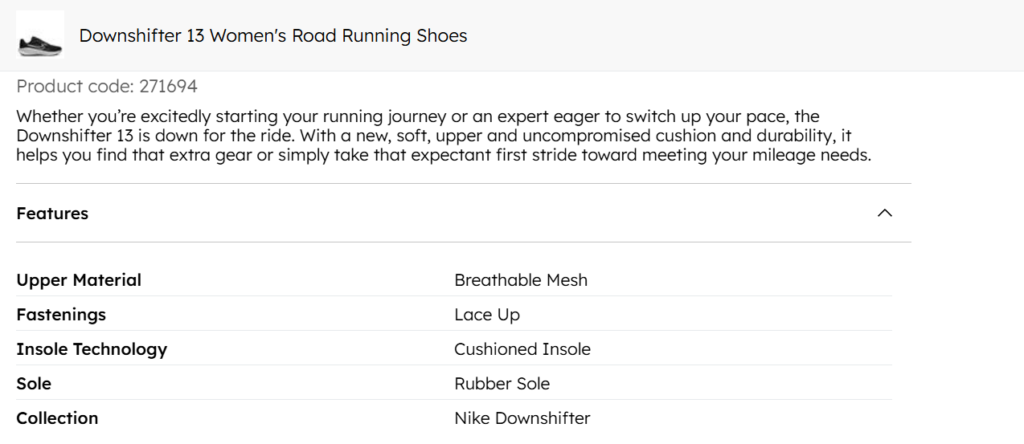
Let’s take a look at some examples of poor copywriting and why they don’t work:
The WTF Counselling Website
That’s the first thought that came to mind when I viewed this website…WTF? There’s no clear homepage title, no “OK…this is for me” moment; it reads like a newsletter.
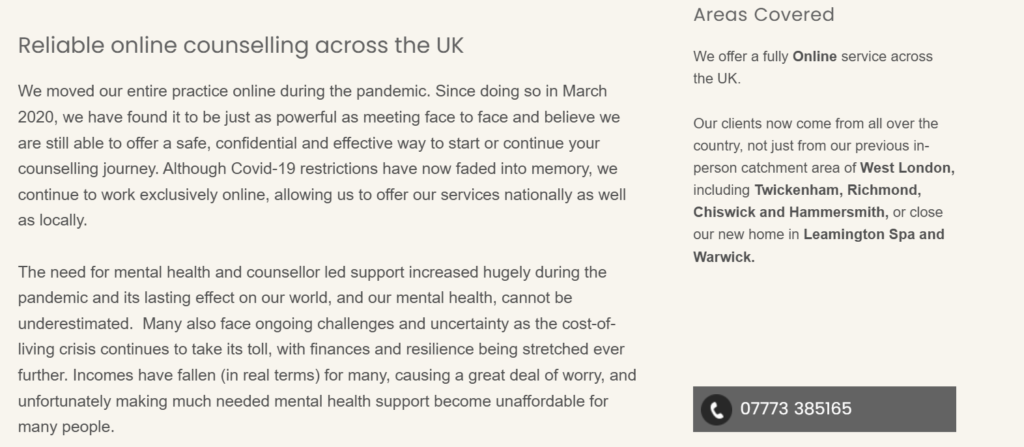
This is exactly the type of copy that doesn’t get results, because it doesn’t give people a reason to care.
The Poetic Statement
This is exactly what I was talking about when I said copywriting isn’t meant to be poetic. I have no idea what this website is about, but I do know that it makes zero sense.
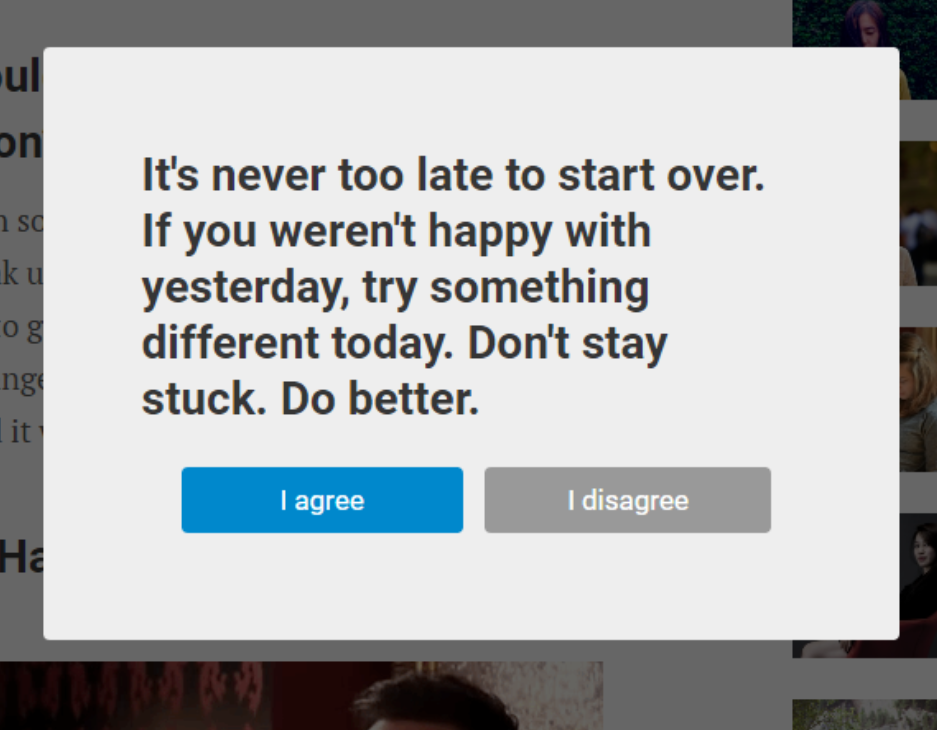
If people can’t understand your messaging, they’re going elsewhere. Simple.
The “It’s All About Me”
As you can see on this website, the main focus isn’t on the reader but on the company. Here’s the blunt truth: people don’t care about you until they get to know you.

You wouldn’t go up to someone you’d just met and talk about yourself constantly. It’s the same principle for website copywriting.
How to Write Amazing Copy for Your Small Business Website
Writing copy for your website is about understanding your audience, crafting messaging that positions your brand as a solution, and setting yourself apart from the competition. That’s it.
So, with that in mind, here’s the step-by-step process you’ll need to create great copy.
1: Audience Research
As I said before, audiences don’t care about who you are at first. Their main concern is whether you know who they are and understand their problems.
That’s why the homepage is about showing visitors you understand them, and the about page is where they can learn more about you.
You don’t need an expensive market research company here, because there’s plenty of data at your fingertips.
Social Media
Social media is an absolute goldmine for research, because you can find out the types of things your ideal customers post and what annoys them.
Many companies handle complaints on social media too, so check out what your competitors are getting wrong.
For example, if you have a local delivery service, use platforms like X and Facebook to view complaints.

Forums
Forums are an excellent option because they let you see the type of questions people are asking. Let’s say someone asks for recommendations for all-natural pet food.
Read the responses to see what people like about a brand and use this information to craft your messaging.
Reviews
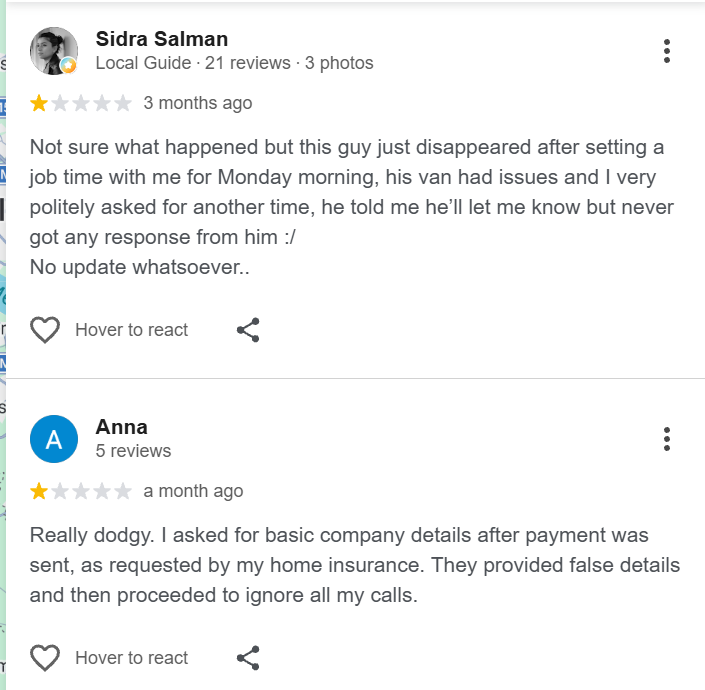
I LOVE third-party review platforms because they never fail to deliver insights. Whether that’s local directories, Google Business Profile or Trustpilot, you can see complaints and where your competitors are failing.
For example, these reviews for a plumbing service show the importance of trust. If you’re creating copy for a plumbing website, that’s a message you can’t afford to miss.
2: Brand Positioning
Once you’ve learned about your audience, it’s time to turn that information into a compelling brand message. However, that message should be authentic to you and never over-promise.
Pride yourself on reliability? That’s great. But don’t weave 20-minute response times into your core identity if you can’t deliver on that.
I created a framework for flawless brand building that features the exact process I use and the systems I use to create messaging that establishes trust with your target audience.
Get the Anti-Hustle Branding Workbook
Create Your Copy
Creating website copy often involves following a framework. I teach different frameworks in the Enquiry Engine System, but for now, let’s just focus on one. It’s simple to implement and can offer fantastic results.
The Headline
The headline should instantly let your audience know they’re in the right place. Nothing abstract or poetic; just clarity.
Why is this important? Because 8 out of 10 visitors will only read the headline. So if they don’t know exactly what you do and who you’re for, they’ll go elsewhere.
Let’s say you’re a small business dog walker:
Bad Headline: Every Dog Deserves a Little Adventure.
Good Headline: Reliable Dog Walking for Busy Owners in [Your Area].
The Sub-Headline/Intro
This is where you can do either one of two things: cement what makes you unique, or expand on your target audience’s pain point.
You don’t need to do both. Pick whichever gets your reader to that “OK…this is for me” moment fastest.
Cementing what makes you unique:
“No group walks with strangers’ dogs. No last-minute cancellations. Just reliable, one-on-one walks for your dog, rain or shine.”
Expanding on the pain point:
“You love your dog. You just don’t love feeling guilty every time work runs late, and they’re stuck inside for another hour.”
Either way, keep it to one or two lines. This isn’t the place to explain everything — it’s the place to make them want to keep scrolling.
Solution
Now you tell them what you actually do about it. Not a service list — the fix.
Structure it simply: “I/We [what you do], so that [outcome].”
Example: “We provide reliable, one-on-one dog walks at the same time every day, so you never have to worry about your dog being cooped up or waiting on someone who might not show.”
This is where a lot of small business owners go wrong. They jump straight to listing services rather than connecting each service to the relief it provides.
Nobody’s hiring a dog walker because they love the idea of dog walking. They’re hiring one because they want peace of mind while they’re at work.
Benefits
This is the difference between a feature and a benefit — and it’s one of the most common copywriting mistakes small businesses make.
A feature tells people what’s included. A benefit explains why it matters to their life or to their dog.
Feature: GPS-tracked walks
Benefit: You can see exactly where your dog went and how long they were out, right from your phone.
Feature: Same walker, every time
Benefit: Your dog builds a real bond with someone they trust, instead of meeting a new stranger each week.
List 3-5 of these on your page, written from the reader’s (and their dog’s) side, not yours.
Proof
This is where you back up everything you’ve just claimed. Without it, you’re just another business saying nice things about itself — and audiences have learned to tune that out.
Proof can be:
- A specific result (“Walked 200+ dogs across the local area, zero missed walks in 3 years”)
- A testimonial with real detail, not just “amazing service!”
- Insurance, certifications, or DBS checks
- Photos of happy, muddy dogs mid-walk
Specificity is what makes proof believable. Vague praise reads as if it could belong to anyone. A number, a photo, or a real client story reads as if it were yours.
CTA
Tell people exactly what to do next—not “learn more,” which asks nothing of them and gets nothing in return.
Your CTA should match the level of commitment you’re actually asking for. A one-off walk needs a different CTA than a weekly package.
Low-commitment example: “Book a free meet-and-greet with your dog.”
Higher-commitment example: “Get your free weekly walk schedule, tailored to your dog’s routine.”
Whatever you choose, make it specific and make it obvious. If someone has to hunt for the button, you’ve already lost them.
Removing Doubt
Right before someone’s about to act, hesitation shows up. This section exists to catch it before it closes.
Usually this looks like a short FAQ, a guarantee, or a line that names the objection directly before the reader has to.
Examples:
“Nervous about a stranger having a key to your house? Every walker is DBS-checked and insured, and you’ll meet them before anything’s booked.”
“No long-term contracts. Pause or cancel whenever you need to.”
“Reactive dog? Anxious rescue? We do one-on-one walks specifically so dogs who don’t do well in groups still get the exercise they need.”
Think about the two or three doubts your ideal client almost always has before they book, and answer them here, plainly.
This is often the difference between someone leaving your site and someone actually filling in your form.
DIY Copywriting vs Hiring a Professional Small Business Copywriter
It’s something you’re probably asking yourself right now, and there’s no right or wrong answer here.
While some people decide to tackle copy themselves, others hand it over to a professional who specialises in small business copywriting.
When you work with a professional, you can benefit from expertise and experience, instead of having to second-guess everything you do.
Plus, there’s also your potential return on investment. Let’s say you write your website copy yourself but aren’t sure how to balance SEO with persuasive messaging. Something’s gonna give.
You might focus more on the SEO side, which impacts your messaging, or miss out on ranking high in the search results because you haven’t optimised the content properly.
Copywriters can save you time and money in the long run.
How Much Should I Pay for Copywriting Services?
It really depends on the type of copywriter you choose and their speciality. For example, website copywriting can cost between £300 and £1,000+ for a full website, depending on experience and the number of pages.
However, creative copywriting is more expensive, as it often involves advertising and other costs. Professional copywriters usually charge on an hourly or project-based rate.
I’d advise avoiding copywriters who charge by the word, because it doesn’t account for vital research, SEO, editing, and the other steps.
Copywriters who charge 5-10p a word might seem like a good deal, but I guarantee that your copy won’t generate a positive ROI.
The Bottom Line
Copywriting for small businesses should never be an afterthought; it’s one of the best ways to connect with your audience and turn them into loyal customers.
Whether you offer professional services, work in a care-focused sector, or sell products, the right positioning and messaging set you apart from the competition.
Remember, it’s not about how clever you sound; it’s about whether audiences instantly feel like your products/services are the right fit for them.
If you’re looking for professional copywriting support, I offer flexible packages for businesses in Northamptonshire, the East Midlands, and the UK.
Please get in touch with me today for more information.
FAQs
Do small businesses need copywriters?
YES! As a small business owner, one of your biggest strengths is showing potential customers that you understand their needs.
Corporate companies and large brands spend a fortune trying to target different audiences, but they’ll never be able to compete on authenticity.
A copywriter who works with small businesses can help you choose the right messaging and build relationships with your audience.
How long should website copy be?
There’s no set length, because it’s about connecting with your target audience and moving them along the journey. Some websites might have around 500 words, while others have 2000.
Should I use AI to create copy?
AI is a powerful research tool that can help you outline your website copy. However, there are things that AI copywriting can’t do for your business.
This includes setting you apart from others (because it’s trained on existing data), connecting with your audience on an emotional level, and being original.
What’s the difference between copywriting and content writing?
Copywriting is the science of persuading people to take action, while content writing is about providing information.
Both are highly important for your website to rank in search engine results and turn visitors into customers.